

What Vacation Can Teach Us About Living Well
There’s something about vacation that makes life feel a little different.
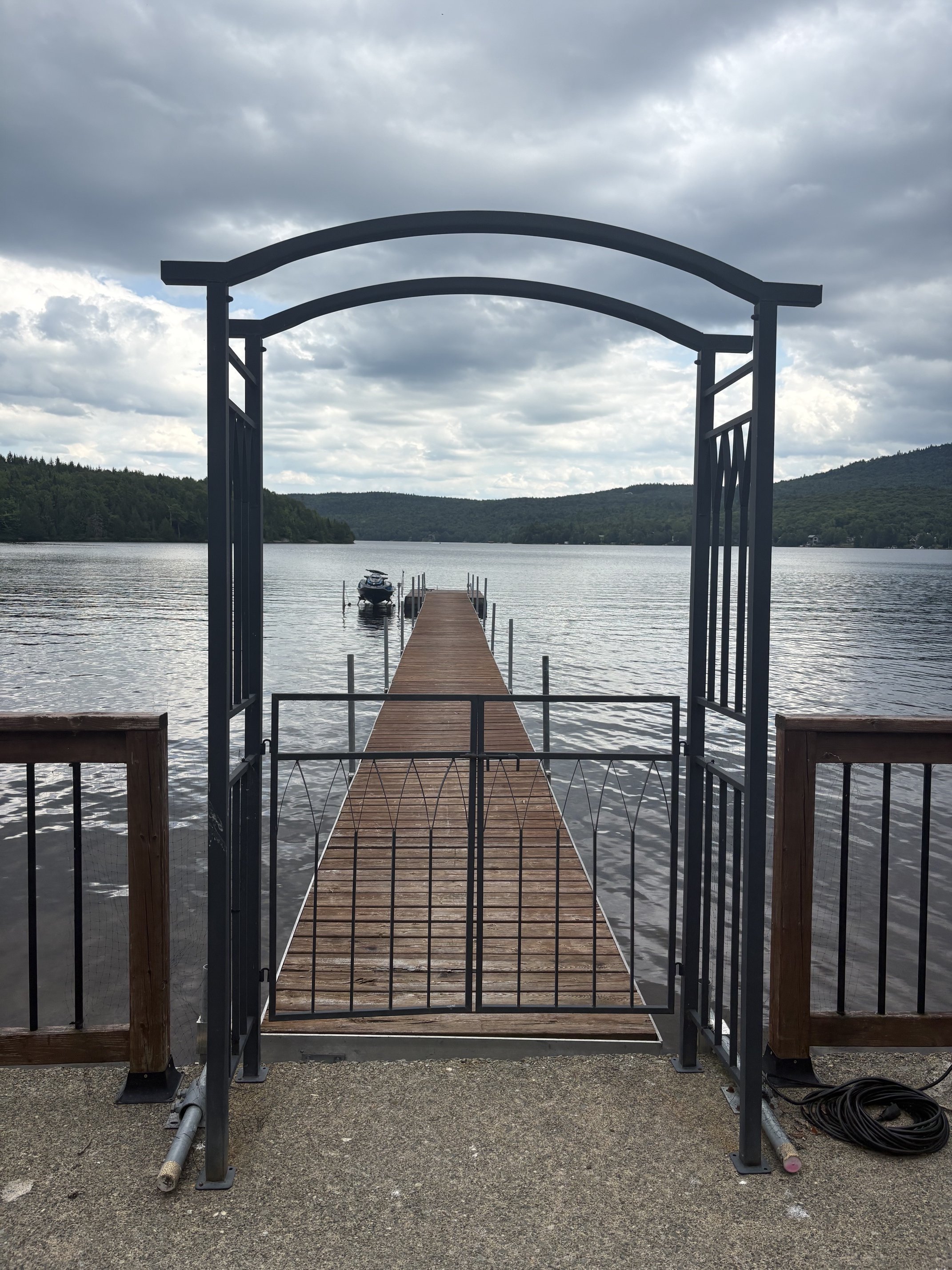
We step away from our usual schedules. We explore unfamiliar places. We linger over meals, walk more, spend time with people we love, notice our surroundings, and perhaps allow ourselves to move through the day with a little less urgency.
Of course, vacation isn’t real life. There are fewer responsibilities, fewer routines, and often fewer demands on our time. But that may be exactly why vacation can teach us something valuable about well-being.
My recent trip to Quebec reminded me of this again and again.
When some of the noise of everyday life quiets down, we have an opportunity to notice: What helps me feel good? What makes me feel more present, connected, energized, or alive?
Those observations can offer clues about what we may want more of when we return home.
Movement Becomes Part of Living
On vacation, movement often happens naturally.
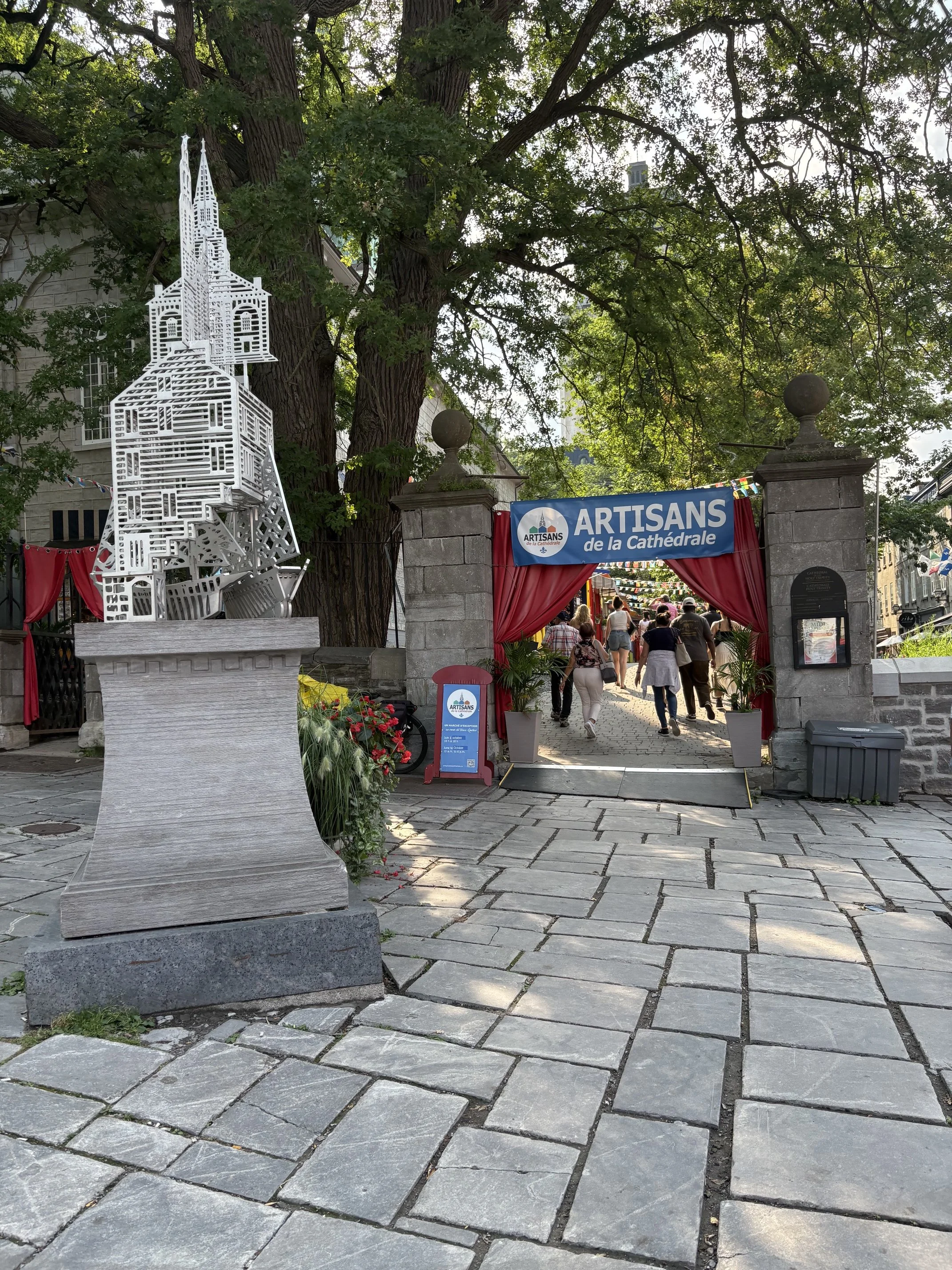
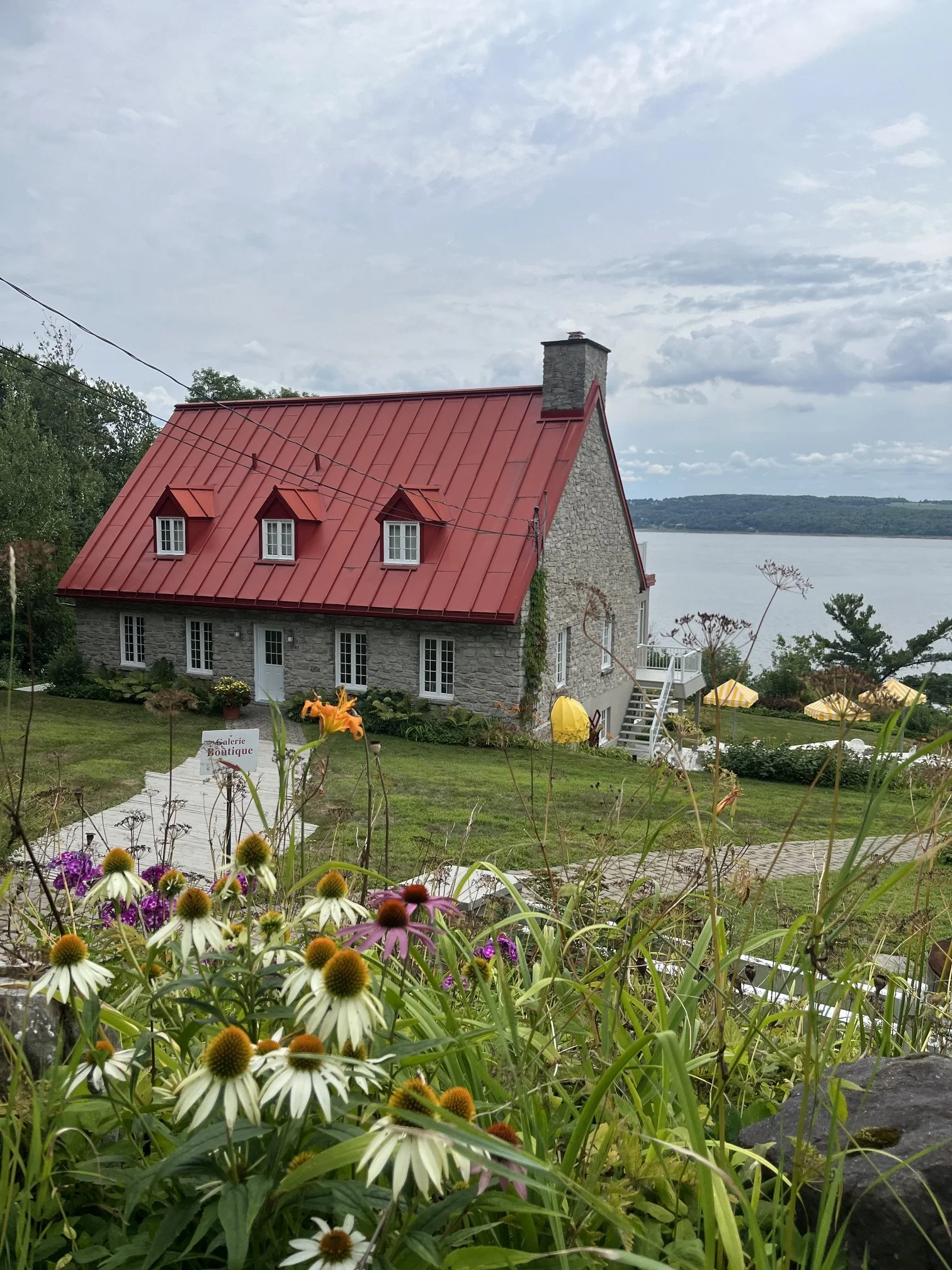
In Quebec, we walked everywhere- through the streets (and hills!) of Vieux-Québec, around Montreal in a quest to find the best bagels, and while exploring Île d’Orléans. There was no need to schedule a formal workout. We were simply moving because there were places we wanted to see and things we wanted to experience.
That’s a useful reminder that physical activity doesn’t always have to happen in a gym or within a formal workout. One of the most sustainable ways to move more may be to build movement into a life we actually enjoy living.
We Make Time for Connection
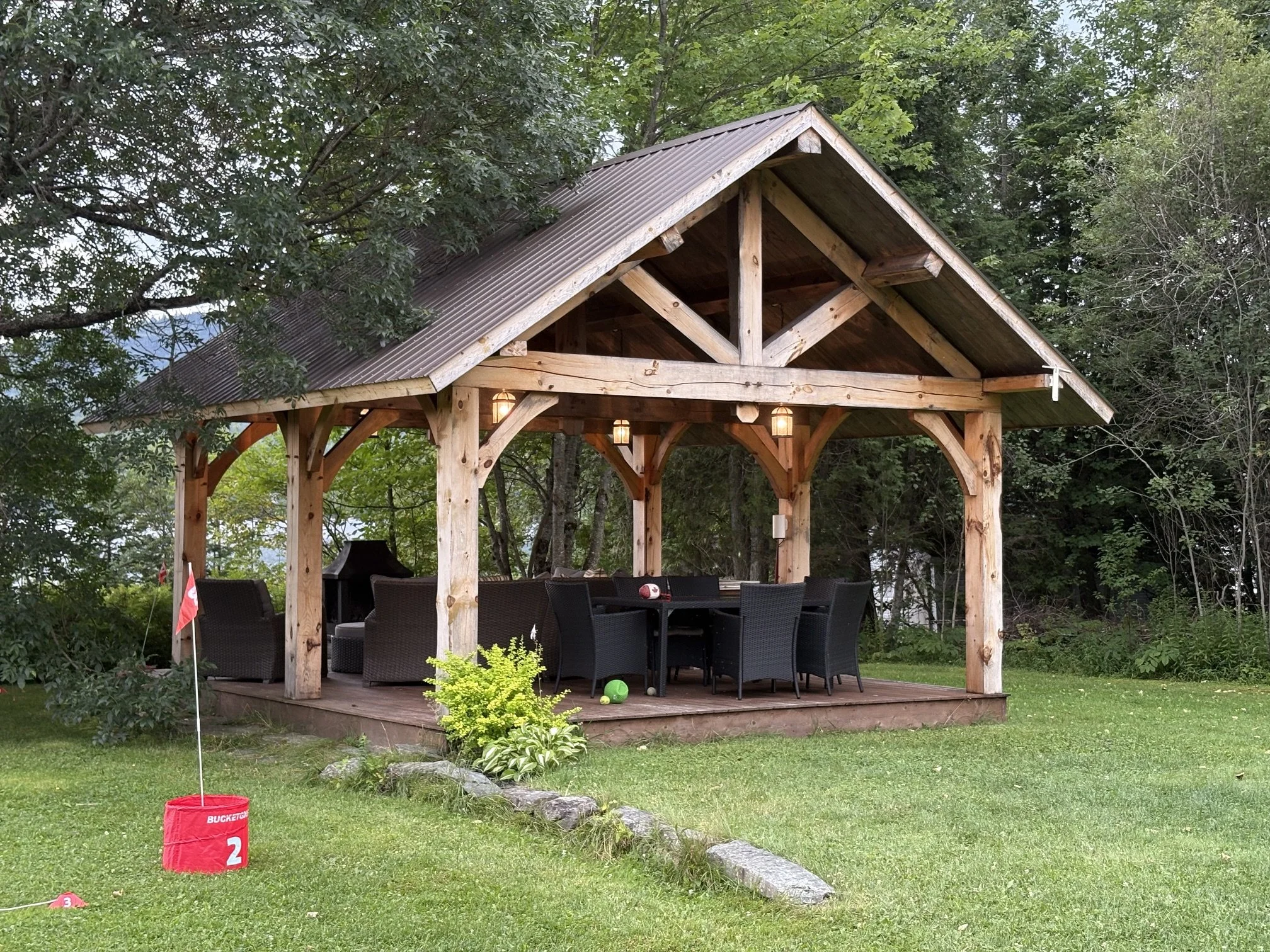
One of the best parts of this trip was spending time with family in Quebec.
There were adventures together, meals shared around the table, conversations, laughter, and the simple pleasure of having time together without the usual demands of everyday life competing for our attention.
Vacations often create space for something that can get squeezed out of busy schedules: unhurried time with other people.
Meals last longer. Conversations continue. We explore and experience things together. We create memories.
Decades of research on well-being consistently point to the importance of strong social relationships. Connection isn’t an extra we fit in after everything else is done. It is part of what supports a healthy and meaningful life. We may not be able to recreate vacation at home, but we can protect more space for the people who matter to us.
We Experience Novelty
Travel naturally invites us to try and see new things.
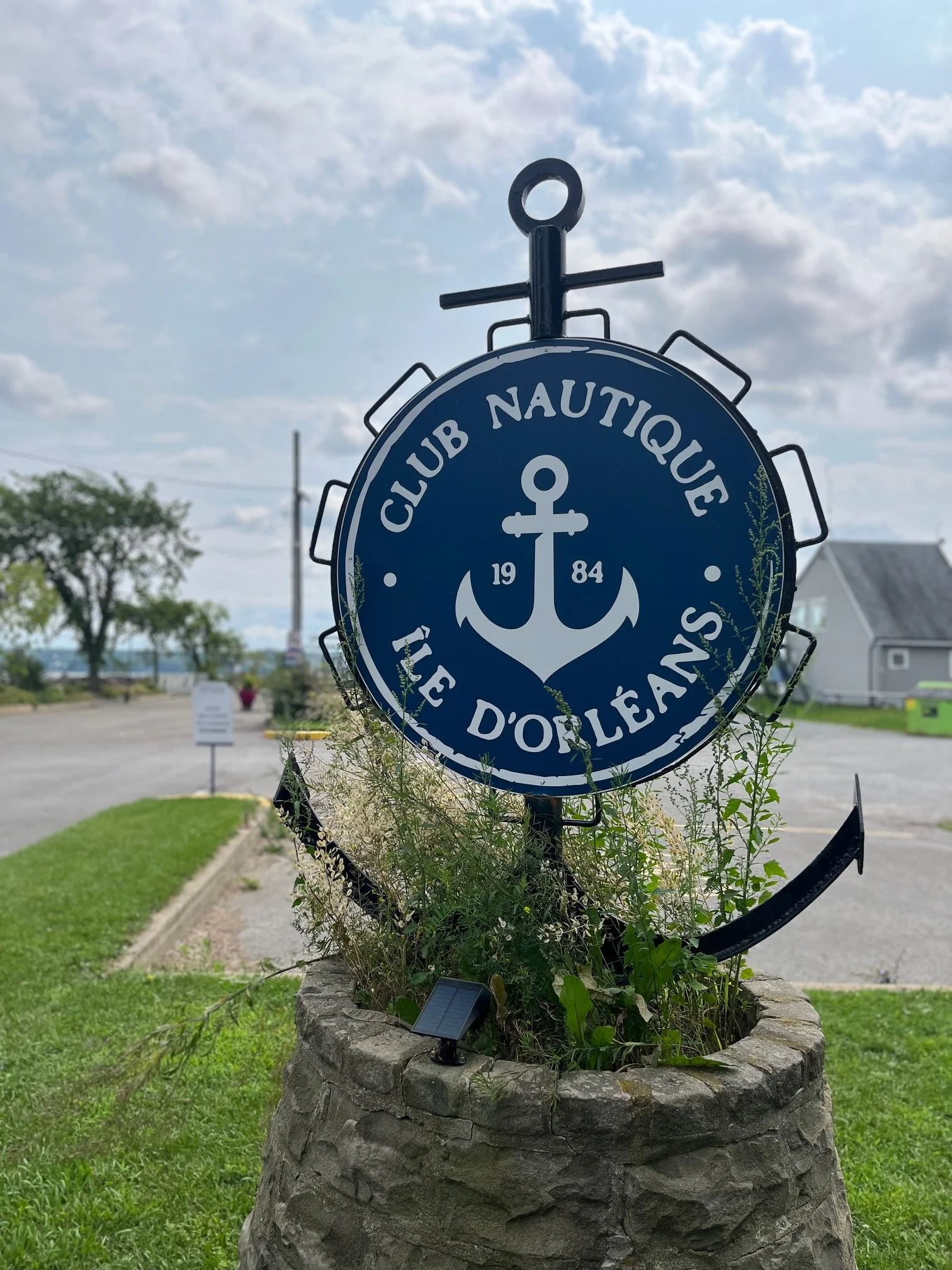
On this trip, one of those experiences was visiting Île d’Orléans for the first time. Although I’ve been to Quebec many, many times over the past roughly 30 years, this was my first visit there. Exploring the island, wandering through markets, discovering local bakeries, and seeing what was around the next corner brought a sense of curiosity to the day.
Novel experiences capture our attention in ways familiar routines often don’t. They can spark curiosity, learning, wonder, and a sense of engagement with life.
And novelty doesn’t require a plane ticket. We can take a different walking route, try a new restaurant, explore a farmers market, visit a nearby town, take a class, attend an event, or simply say yes to something we wouldn’t normally do.
Sometimes feeling more engaged with life begins with doing something a little differently.
We Slow Down Enough to Savor
One of my favorite concepts from positive psychology is savoring—the intentional process of noticing, appreciating, and extending positive experiences.
Vacation gives us plenty of opportunities to savor.
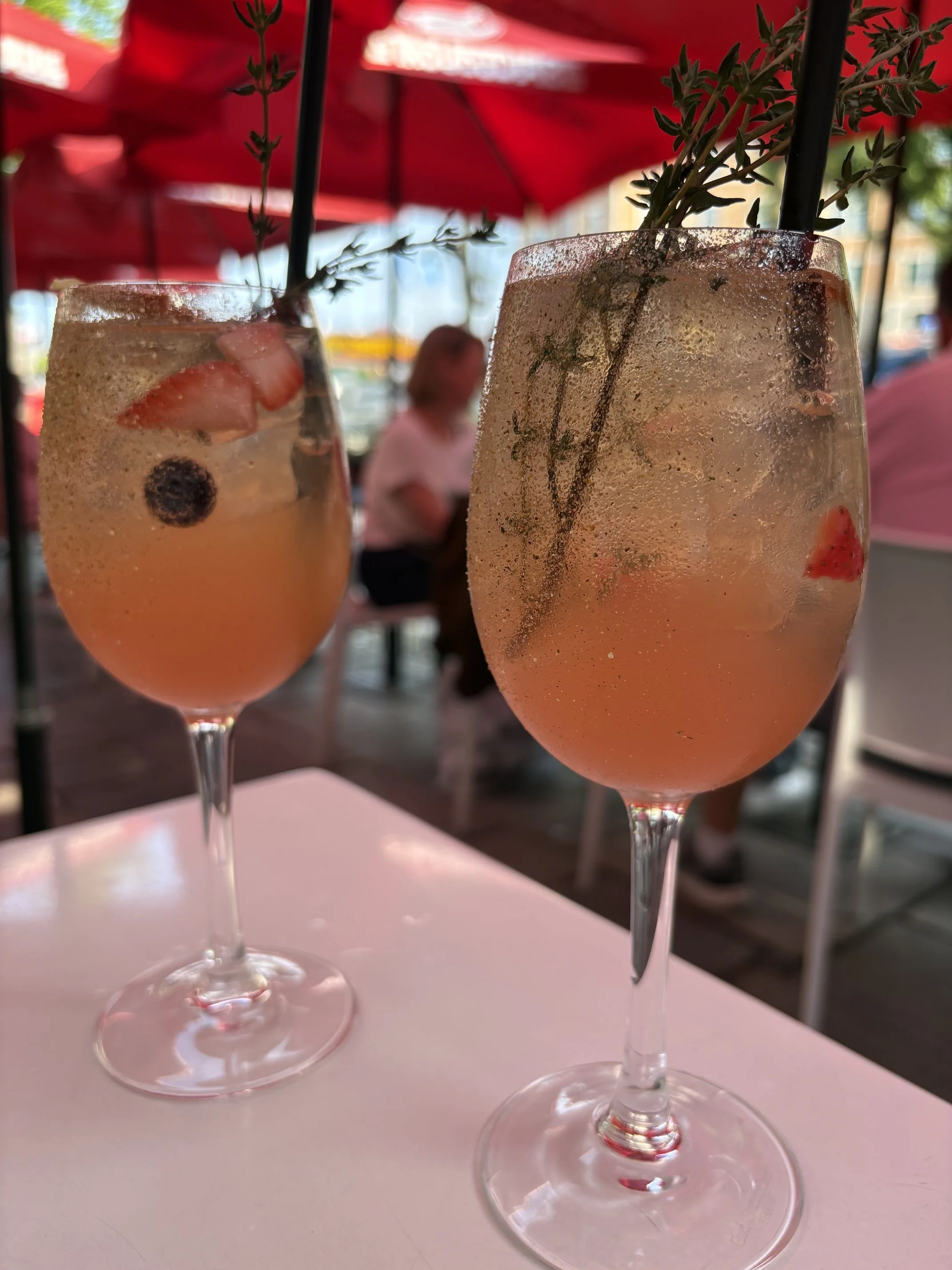
One of mine was wonderfully simple: sitting with my husband in Vieux-Québec, enjoying a spritz, and taking in everything around us. There was nowhere else we needed to be in that moment. Nothing we needed to accomplish. We could simply sit, talk, look around, and enjoy being there together.
Those are often the moments that stay with us.
We notice the view. We appreciate the meal. We stop to watch the sunset. We take the photo. We talk about how beautiful something is. We allow ourselves to fully experience a moment instead of immediately moving on to the next thing.
Savoring doesn’t mean ignoring what is difficult or pretending life is always wonderful. It simply means giving positive experiences some of our attention, too. And perhaps that is something worth practicing long after the vacation ends.
Our Environment Matters
Travel can also make us more aware of how much our surroundings influence our behavior and well-being.
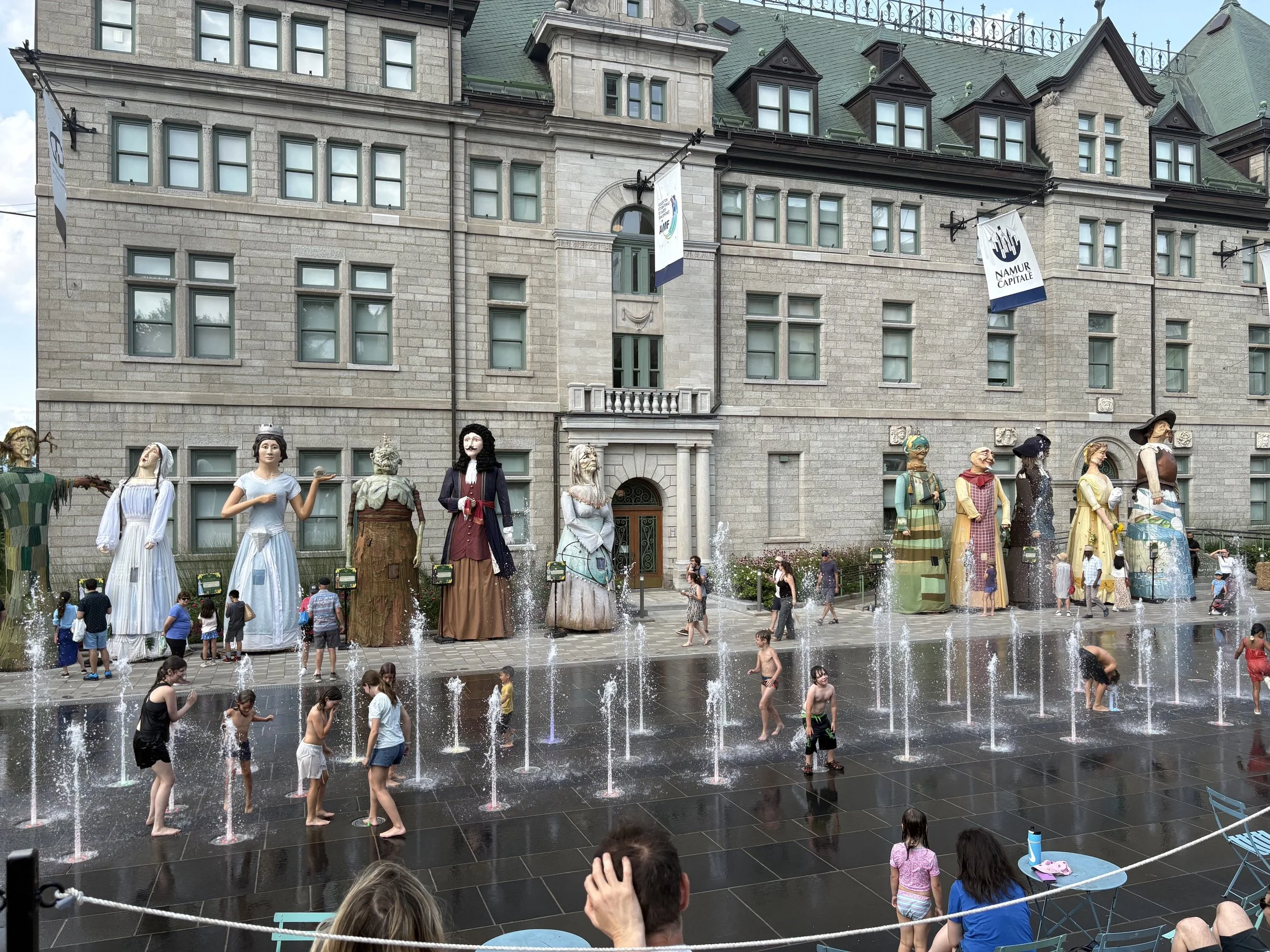
Quebec offered so many reminders of this—from beautiful, walkable streets and outdoor gathering spaces to markets, cafés, parks, and places that seemed to invite people to slow down and spend time together.
Walkable streets encourage movement. Beautiful public spaces invite us to linger. Parks encourage time outdoors. Comfortable gathering places support connection. Environments designed for people to sit, walk, gather, play, and rest can make healthy behaviors feel easier and more natural.
We may not be able to redesign the city we live in, but we can become more intentional about the environments we create and choose.
We Give Ourselves Permission to Enjoy Life
Perhaps one of the simplest lessons of vacation is also one of the easiest to forget.
Life is not only about productivity.
There is value in rest. In play. In beauty. In good food. In wandering without an agenda. In laughing with people we love. In doing something simply because it is enjoyable. These experiences aren’t distractions from a meaningful life. They are part of one.
Bringing Vacation Home
The goal isn’t to make everyday life feel like a permanent vacation. That isn’t realistic- and it probably wouldn’t feel special for very long anyway. Instead, vacation can become a kind of experiment. It gives us a chance to notice ourselves under different conditions.
When did I feel most alive?
What helped me feel relaxed?
What did I naturally make time for?
What did I do more of—or less of—than I normally do?
What do I want to bring home with me?
For me, Quebec offered plenty of answers: more walking simply for the pleasure of exploring, more time around the table with people I love, more curiosity, more new experiences, and more moments when there was nothing to do except enjoy exactly where I was.
Maybe for you it’s an evening walk.
A slower meal.
More time outside.
A weekly date with someone you love.
Trying something new once a month.
Putting your phone away and actually noticing the sunset.
Vacation eventually ends. But some of what makes it feel so good doesn’t have to.
Perhaps one of the greatest gifts of getting away is returning home with a clearer picture of how we want to live when we’re there.
What is one thing from your last vacation—or simply a time when you felt especially well—that you would like to bring into your everyday life?